A Personal Community Project for Children at Tam Duc Orphanage
I am a student who discovered the transformative power of music not only as an art form, but as a way to connect lives that might otherwise remain apart. One of my most memorable experiences was bringing melodies to orphaned children at Tam Duc Orphanage, where I realized that music can dissolve boundaries of circumstance and create a shared space of joy.
At school, I often carried the desire to make a difference in the community. That desire became reality when I was able to spread my passion for music to disadvantaged children. What made this experience truly special was the connection I formed with the teenagers there. Many of those eager to learn were around my own age—between 12 and 14 years old. Instead of following a rigid syllabus, I let their interests guide our sessions. Being peers allowed us to bond naturally; I wasn’t just a teacher, but a friend sharing a common language of melodies. This “peer-to-peer” connection made the atmosphere comfortable and full of mutual respect.
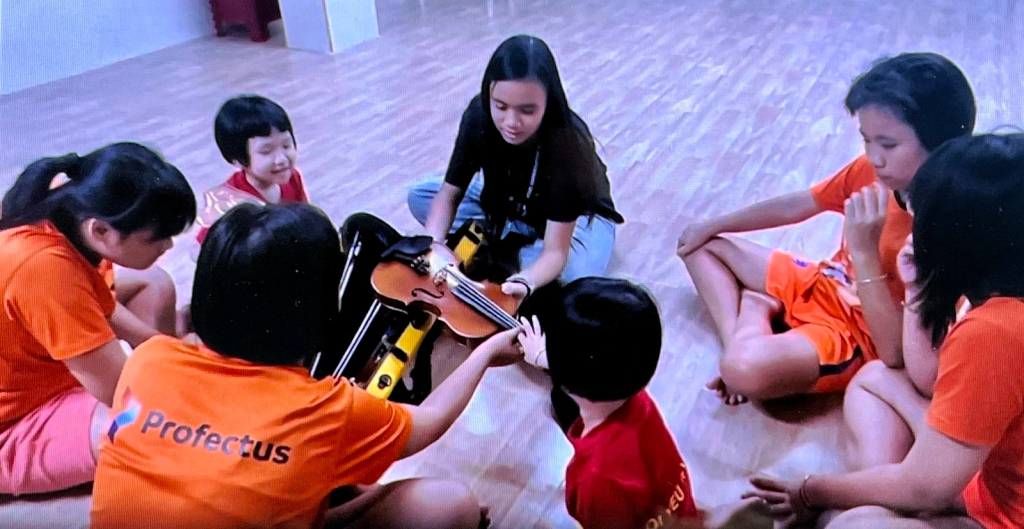
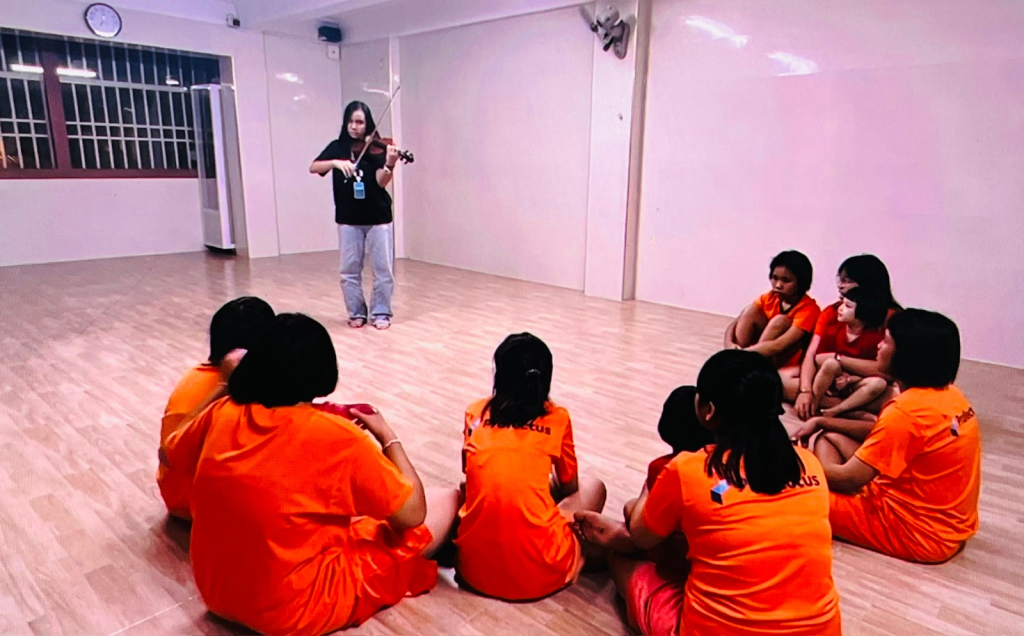
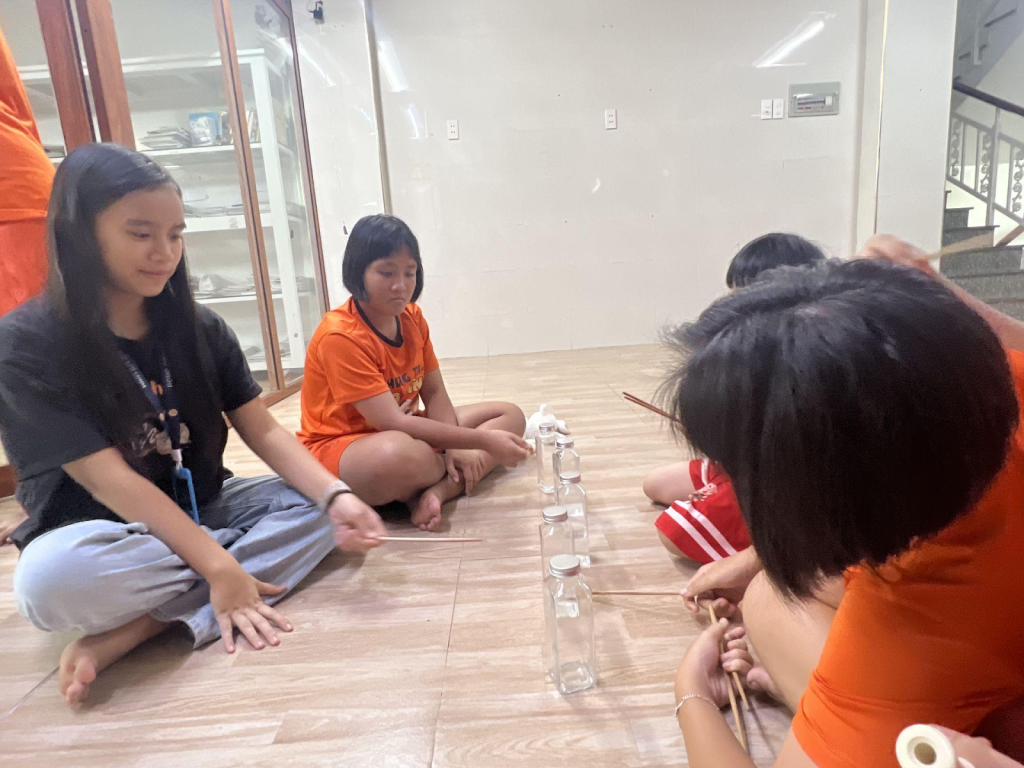
In the first week, I introduced them to the violin. They were moved when I unlocked the case and played a melody, showing them how different harmonies blend together. To spark their creativity, we explored making music from everyday objects—tables, chairs, cups filled with water. It was incredible to see my peers realize that music is everywhere, waiting to be discovered.
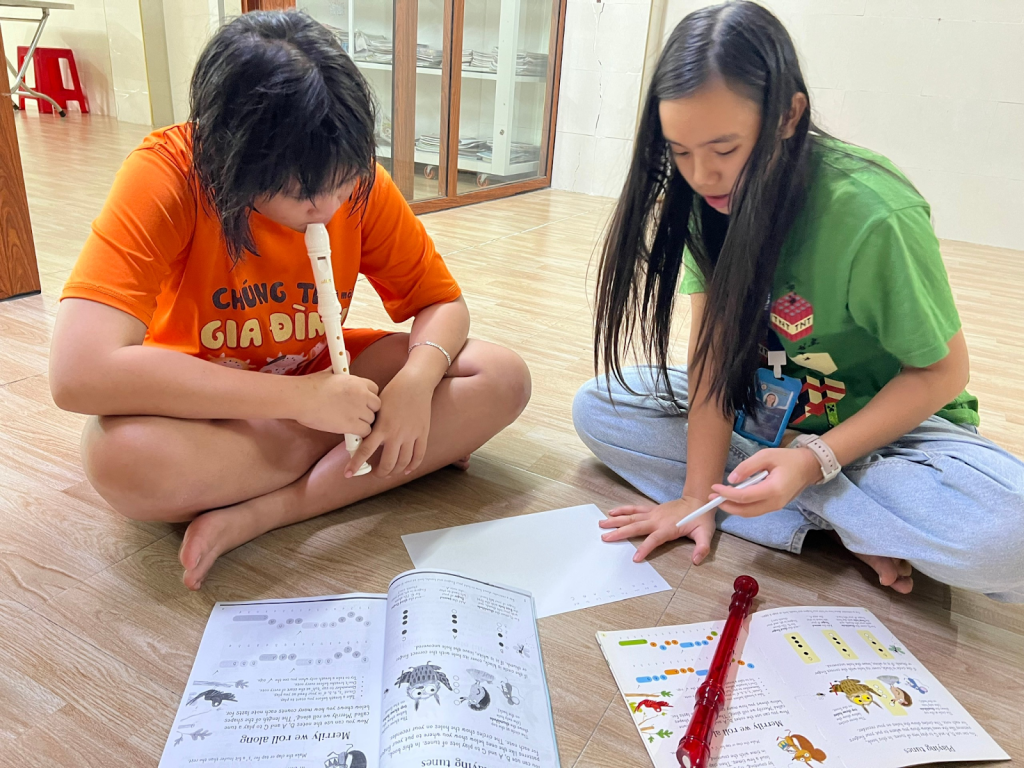
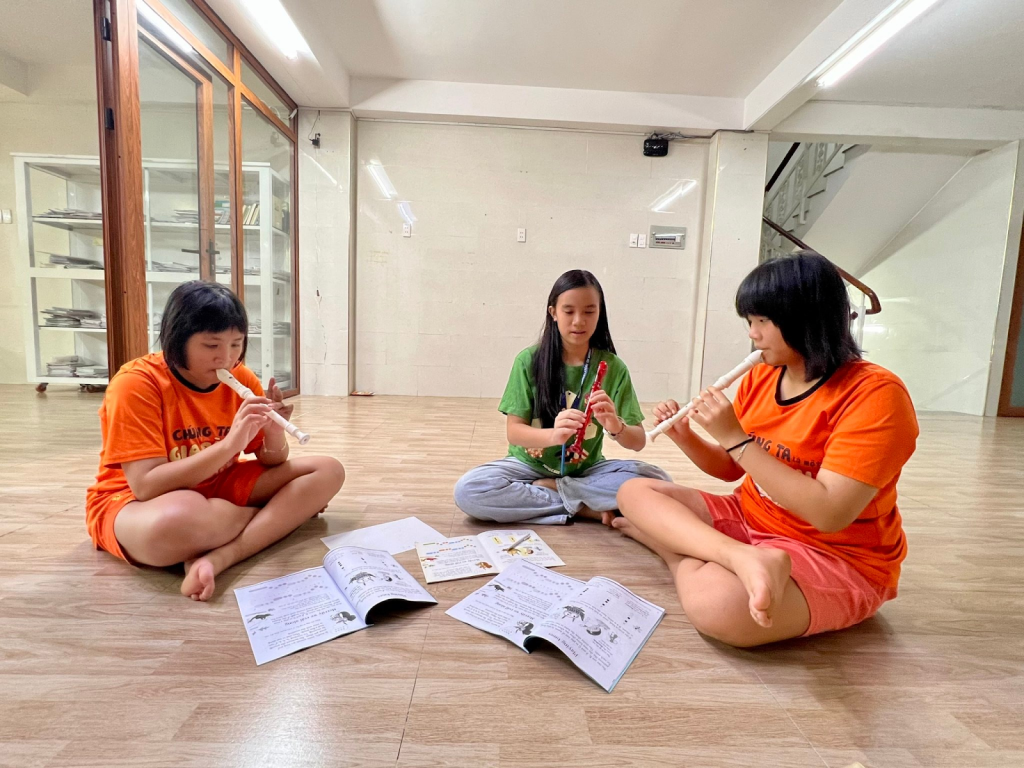
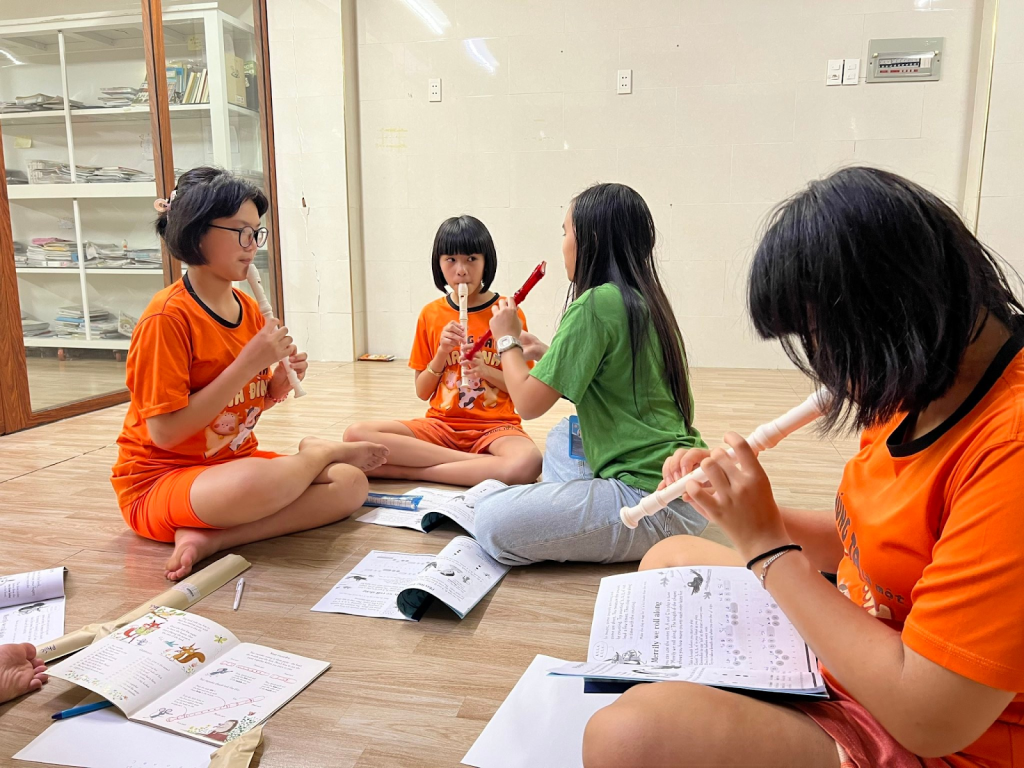
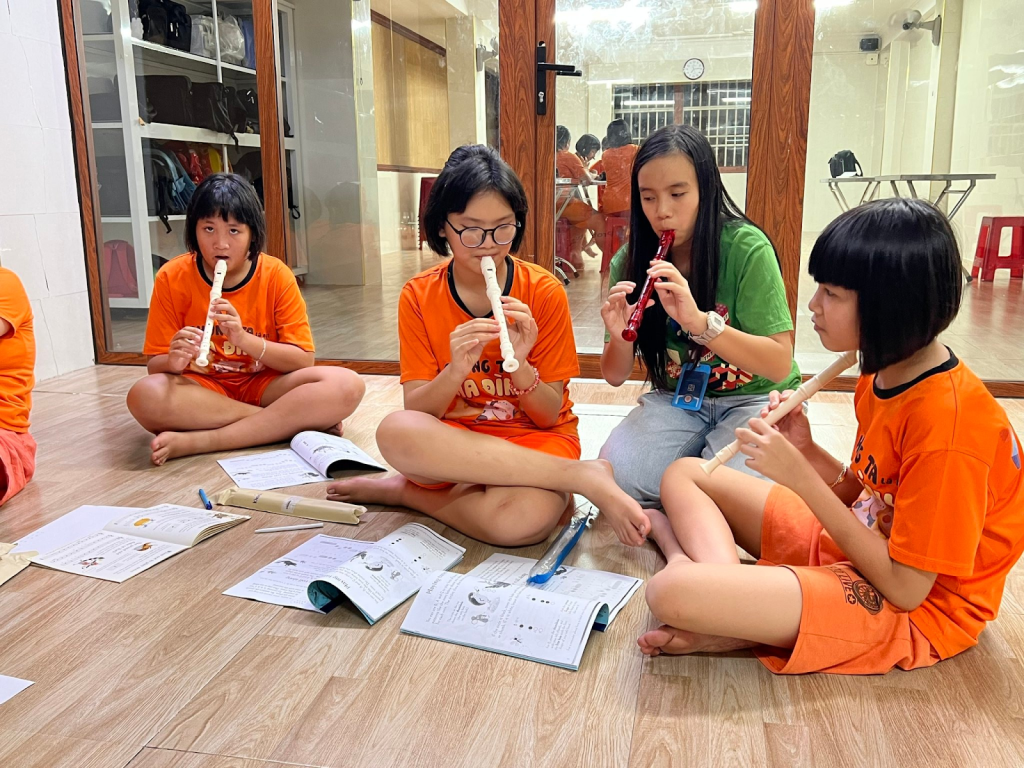
By the second week, as their curiosity grew, we moved on to the recorder. My peers at the orphanage learned impressively fast. Within the first hour, they could play “Mary Had a Little Lamb” effortlessly. The most rewarding part was seeing how these 12-to-14-year-olds cooperated, tried their best, and supported one another throughout the process.
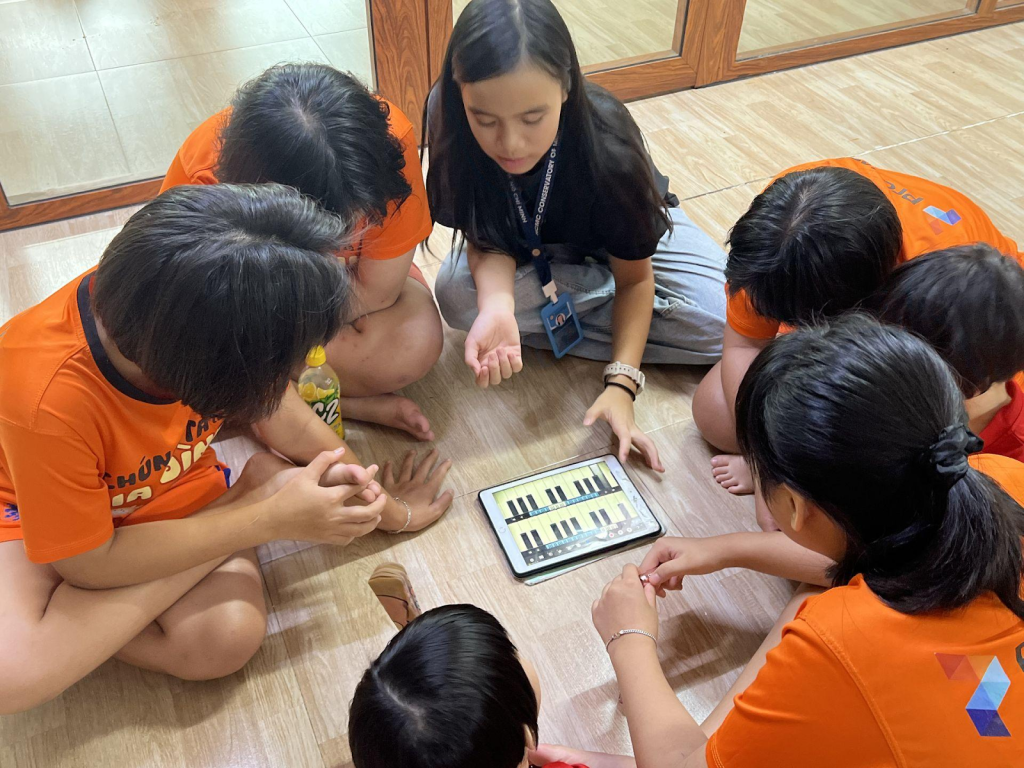
As the weeks progressed, our musical journey moved beyond simple melodies by ear. To help them conquer more complex pieces, I began introducing the fundamentals of music theory. We dived into the art of reading sheet music—learning how to identify notes on the staff, understanding time signatures, and mastering rhythmic patterns. It was inspiring to watch my peers, who initially played by instinct, now focus intensely on deciphering the “language” of music.
The challenge intensified as we transitioned from nursery rhymes to more intricate songs that required faster finger movements and better breath control. There were moments of frustration when a high note wouldn’t clear or a rhythm felt off, but the atmosphere remained one of persistence. They didn’t just want to play; they wanted to play correctly. Seeing their pride when they finally played a difficult passage perfectly from the score made me realize that music was giving them more than just a hobby—it was giving them a sense of mastery and disciplined achievement.
For me, this experience was not only about sharing my passion. It was about witnessing how art can empower, how discipline can emerge from joy, and how peers can lift one another through a common pursuit. Music became our bridge—between privilege and disadvantage, between instinct and mastery, between isolation and belonging.